If your ideal weekend includes a waterfront walk, a coffee stop, and streets that feel rich with St. Petersburg history, Historic Old Northeast deserves a close look. This neighborhood is not just known for beautiful older homes. It offers a daily rhythm shaped by bayfront parks, connected sidewalks, nearby culture, and quick access to downtown. If you are trying to picture what it is actually like to spend time here, this guide will help you understand the flow, the highlights, and a few practical tradeoffs. Let’s dive in.
Why weekends feel different here
Historic Old Northeast is the same area identified in National Register documentation as the North Shore Historic District. It sits just north of downtown St. Petersburg, bordered generally by 4th Street on the west, Coffee Pot Bayou and Tampa Bay on the east, 30th Avenue on the north, and 5th Avenue on the south. That location helps explain why weekends here often feel easy and active without needing a long drive.
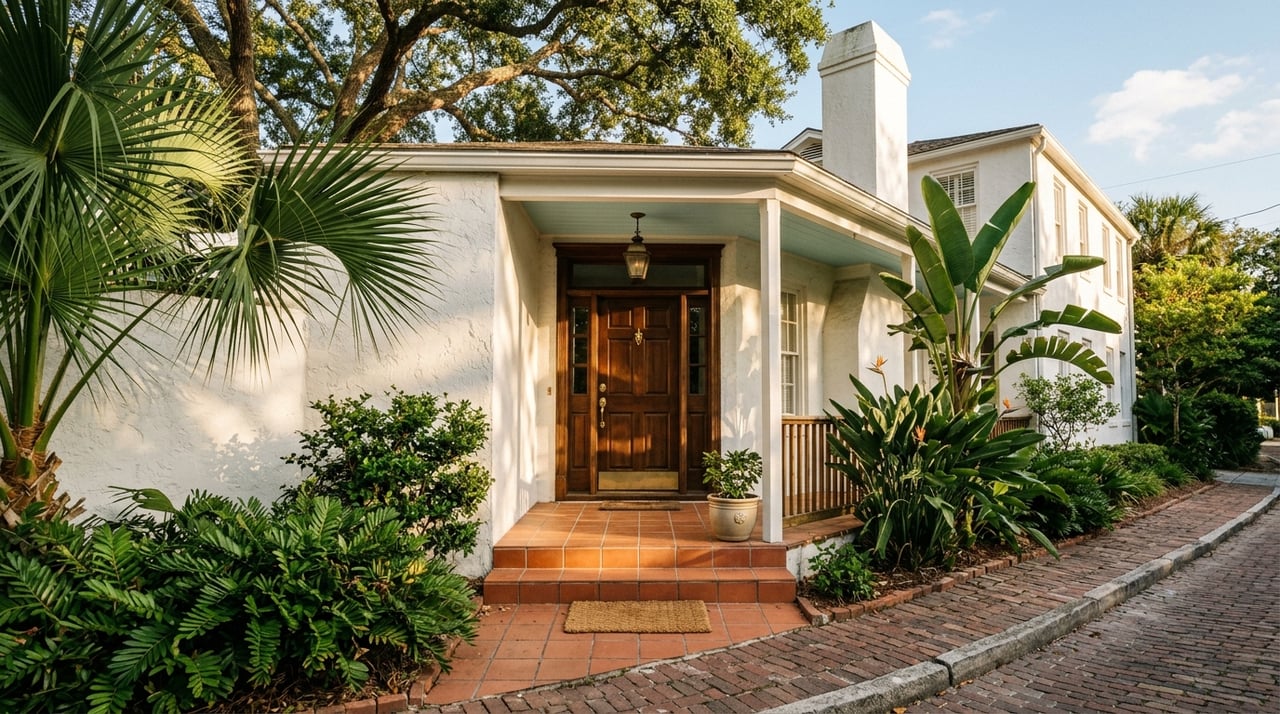
The neighborhood experience is shaped by more than the homes themselves. City historic-preservation mapping tracks brick streets, hexagon block sidewalks, and historic district overlays in this part of St. Petersburg. In real life, that means even a short walk can feel like part sightseeing, part daily routine.
Start with the streetscape
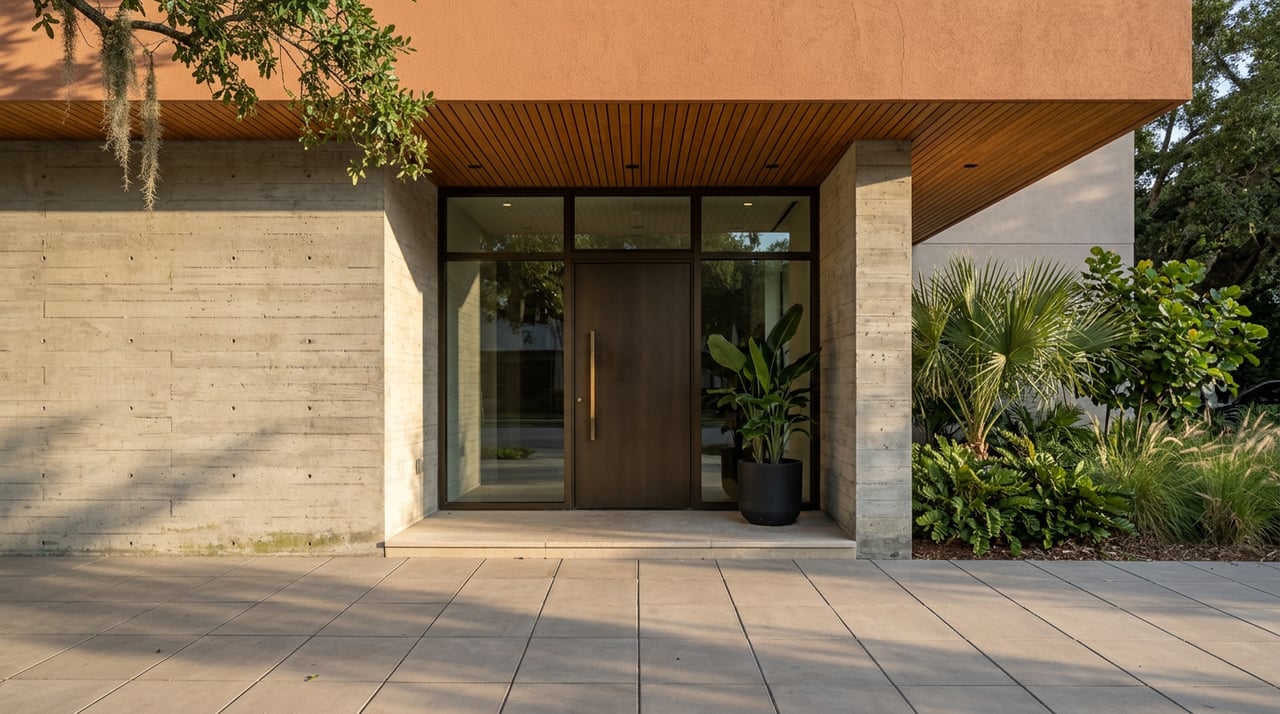
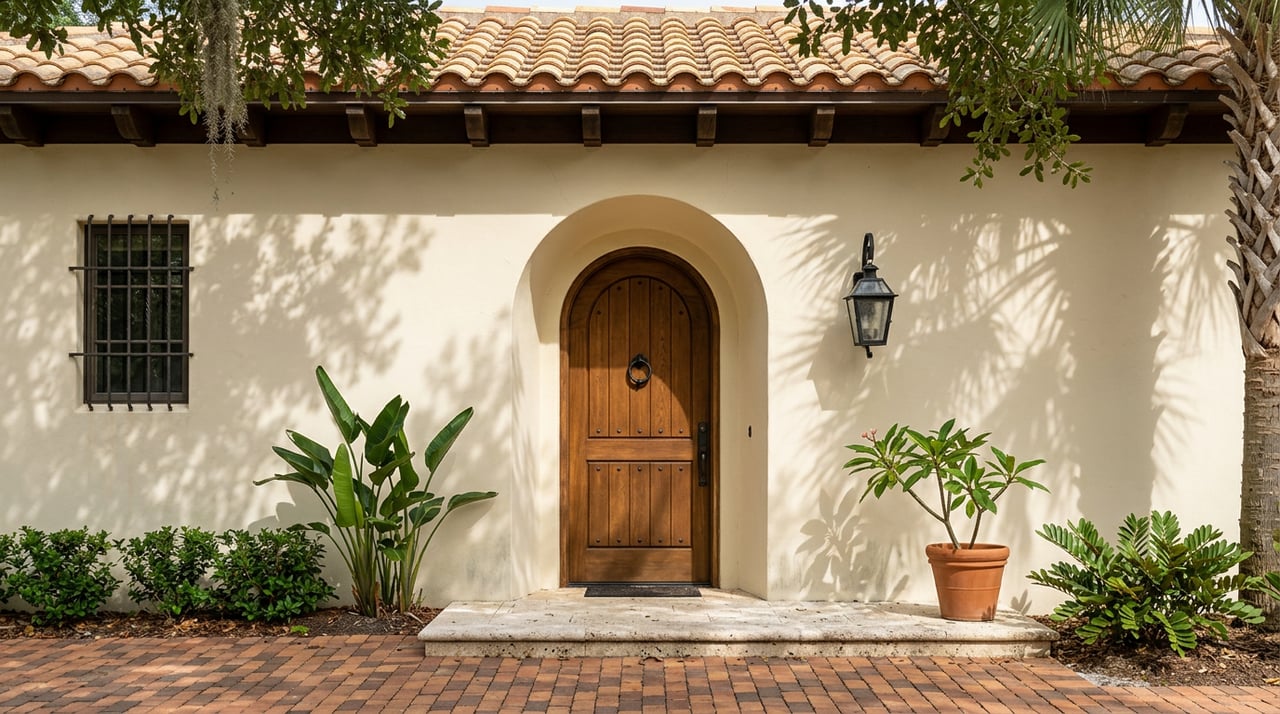
One of the best ways to enjoy Historic Old Northeast is to slow down and notice the details. The district includes early- and mid-20th-century houses, apartment buildings, later infill, and a broad mix of architectural styles such as Craftsman, Bungalow, Mediterranean Revival, Colonial Revival, Prairie, and Ranch. That variety gives the neighborhood texture without making it feel disconnected.
Because many homes are one or two stories, the area tends to feel human-scaled and walkable. You are not moving through a place built mainly around wide roads and big parking lots. Instead, the pattern is more about shaded streets, historic character, and short hops between home, park, and downtown destinations.
Bayfront walks set the pace
For many people, the waterfront is the anchor of a weekend here. Vinoy Park, North Shore Park, and Flora Wylie Park are connected by continuous paved sidewalks along the bayfront. According to the local accessibility guide, these paths work well for walkers, bikers, and wheelchair users.
That connected route makes it easy to build your own kind of morning. You can go out for a short stroll, a longer bike ride, or a simple loop with plenty of places to stop and take in the water. It is one of the clearest examples of how Historic Old Northeast blends neighborhood living with public waterfront access.
North Shore Park highlights
North Shore Park adds more than views. It is described as running along Tampa Bay from Coffee Pot Bayou to Vinoy Park and includes scenic walking paths, lighted tennis courts, North Shore Beach, playgrounds, benches, and a softball field. The accessibility guide also points to a beach area, tennis courts, and a sand-volleyball zone.
For a weekend plan, that means you are not limited to one type of outing. A morning walk can turn into beach time, a tennis match, or time at the playground without needing to cross town.
The Pier is an easy add-on
When you want to stretch the day beyond the neighborhood, the St. Pete Pier is only a few minutes away. The official Pier site describes it as a 26-acre public waterfront destination where visitors can stroll, bike, dine, drink, shop, swim, and attend concerts. It also includes public art, a marketplace, the Tampa Bay Watch Discovery Center, bike parking, and more than 500 parking spaces.
The Pier also fits the area’s connected feel. It is accessible through pedestrian and bike routes, and by the Downtown Looper and Central Avenue Trolley. That makes it a natural extension of an Old Northeast weekend rather than a separate outing.
Dining nearby feels flexible
Historic Old Northeast is not centered on a single restaurant strip. Instead, dining tends to spread across nearby pockets like 4th Street North, Beach Drive, the Vinoy area, and downtown. That gives your weekends a more flexible feel, especially if you like mixing a neighborhood stop with a waterfront walk.
Three Birds Tavern on 4th Street North describes itself as set in a century-old farmhouse with a casual, neighborhood-friendly atmosphere. The same brand also highlights a Beach Drive walk-up cafe for coffee, wine, and light fare. Nearby, the Vinoy’s dining options include Elliott Aster, Veranda, Lottie, and Paul’s Landing for brunch or dinner, while Melting Pot on Central Avenue adds an interactive downtown date-night option.
A simple weekend food rhythm
If you are trying to imagine a local-style Saturday or Sunday, the pattern can be pretty straightforward:
- Coffee or a light breakfast near Beach Drive
- A walk or bike ride along the bayfront parks
- Midday time at the Pier, a museum, or the beach area at North Shore Park
- Dinner on 4th Street, at the Vinoy, or downtown
That mix is part of the neighborhood’s appeal. You can keep things low-key or fill the day without spending much time in the car.
Culture is close, even on rainy days
One of the practical strengths of Historic Old Northeast is how many indoor options sit nearby. If the weather shifts or you just want a different pace, there are several cultural stops within easy reach.
Great Explorations Children’s Museum at 1925 4th Street North describes itself as a hands-on museum focused on creativity, play, and exploration. The museum notes that it has more than three decades of history and AAM accreditation. For households looking for a family-friendly weekend option, that can be a useful part of the neighborhood routine.
Sunken Gardens is another nearby stop with a very different feel. The city’s photography policy describes it as home to tropical plants and trees in a subtropical environment and identifies it as a National Historic Landmark. If you want a quieter outing with a garden setting, it is an easy addition to an Old Northeast weekend.
Downtown museums nearby
The downtown waterfront adds even more options. The Museum of Fine Arts on Beach Drive NE says it opened in 1965 as the first art museum in St. Petersburg and now holds more than 20,000 objects and two gardens. The St. Petersburg Museum of History, located at the entrance to the Pier District, focuses on the city’s aviation, baseball, and tourism history.
For buyers thinking long term, this matters. Weekend flexibility is part of livability, and this neighborhood gives you outdoor and indoor choices within a compact area.
What the homes add to the lifestyle
Historic Old Northeast is known for its architecture, but the housing stock also affects how the neighborhood works day to day. The district includes one- and two-story homes, garage apartments, and a broad range of pre-1950 styles. That creates a setting that feels established, layered, and less auto-centric than many newer areas.
From a real estate perspective, this is important because neighborhood value is tied to more than curb appeal. Here, the ownership experience is closely connected to the bayfront paths, historic streets, downtown access, and nearby cultural destinations. In other words, the lifestyle and the housing stock support each other.
The practical tradeoff: parking
Every neighborhood has tradeoffs, and one of the clearest here is parking. A 2022 City Council agenda packet states that the Historic Old Northeast Neighborhood Association identified lack of adequate parking as a serious issue. The same material notes permit parking in the southern part of the district and says residents near 4th Street often compete with businesses for on-street parking.
That does not mean the neighborhood is hard to enjoy. It does mean that guest parking, event days, and daily routines may need more planning than they would in a newer suburban setting. If you are considering a move here, this is the kind of practical detail worth weighing alongside the charm.
What to notice if you are home shopping
If you are touring Historic Old Northeast, try to evaluate the neighborhood the way you would actually live in it. The architecture matters, but so do the patterns around access, walking routes, and daily convenience. A beautiful house can feel very different depending on where it sits in relation to the bayfront, downtown, and parking conditions.
A practical home search here should include attention to:
- Distance to the bayfront park system
- Street character, including brick streets and historic sidewalks
- Access to downtown and the Pier
- Parking setup for daily use and guests
- How the home’s style and layout fit your long-term plans
This is where local knowledge and valuation discipline matter. In a neighborhood with varied architecture, older housing stock, and lifestyle-driven demand, understanding what truly supports value can help you make a more confident decision.
Why local-style weekends matter to buyers
Weekend patterns are not just fun details. They are often the clearest window into how a neighborhood lives. In Historic Old Northeast, the strongest pattern is a compact loop of historic residential streets, bayfront parks, and downtown destinations.
That is a big reason the area stands out. You are not buying only a house here. You are buying into a rhythm that includes waterfront access, walkable scenery, and culture close at hand.
If you are comparing St. Petersburg neighborhoods, this kind of on-the-ground feel can help clarify fit. Historic Old Northeast tends to appeal to people who value character, connected public space, and being close to the energy of downtown while still living in an established residential setting.
If you want help evaluating Historic Old Northeast with a clear eye on lifestyle, value, and long-term fit, Marsh Bilby can help you make a more informed move.
FAQs
How walkable is Historic Old Northeast for weekend activities?
- Historic Old Northeast is supported by connected bayfront sidewalks linking Vinoy Park, North Shore Park, and Flora Wylie Park, and the nearby Pier area is designed for pedestrians, bikes, and trolley users.
What kinds of homes are common in Historic Old Northeast?
- The neighborhood includes mostly early- and mid-20th-century homes and apartment buildings, along with later infill, and styles such as Craftsman, Bungalow, Mediterranean Revival, Colonial Revival, Prairie, and Ranch.
What do people do on weekends in Historic Old Northeast?
- Common weekend activities include walking or biking the bayfront, visiting North Shore Park, going to the St. Pete Pier, exploring nearby museums, and dining around 4th Street, Beach Drive, the Vinoy area, and downtown.
Is parking a challenge in Historic Old Northeast?
- Yes. City Council materials note that parking is a recurring issue in parts of the neighborhood, including permit parking in the southern section and on-street competition near 4th Street.
Why does Historic Old Northeast feel different from newer neighborhoods?
- Its mix of historic homes, brick streets, hexagon block sidewalks, waterfront access, and close connection to downtown creates a more established, walkable, and character-rich setting than many newer auto-oriented areas.