If you’re trying to choose Old Southeast from another state, you do not need to rely on guesswork, portal estimates, or a few listing photos. You need a clear way to evaluate the neighborhood, the home, and the risks that matter most when you cannot be there in person every week. With the right local process, you can compare homes more accurately, spot red flags earlier, and make decisions with more confidence. Let’s dive in.
Why Old Southeast Draws Remote Buyers
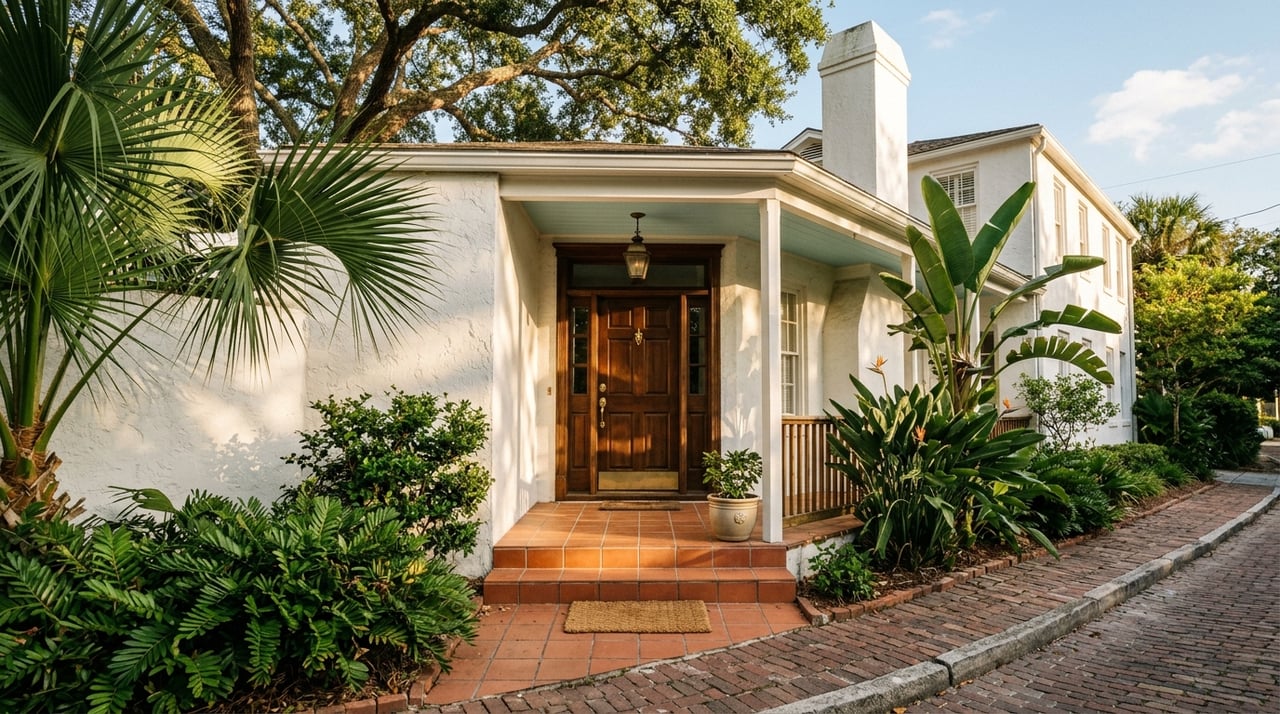
Old Southeast gives you a distinct St. Petersburg setting that feels established, close-in, and practical for buyers who want character and convenience. The neighborhood sits just south of downtown St. Petersburg, and the Old Southeast Neighborhood Association describes it as walkable, with colored hexagon-block sidewalks, some original brick streets, and a mix of historic, mid-century, and newer homes.
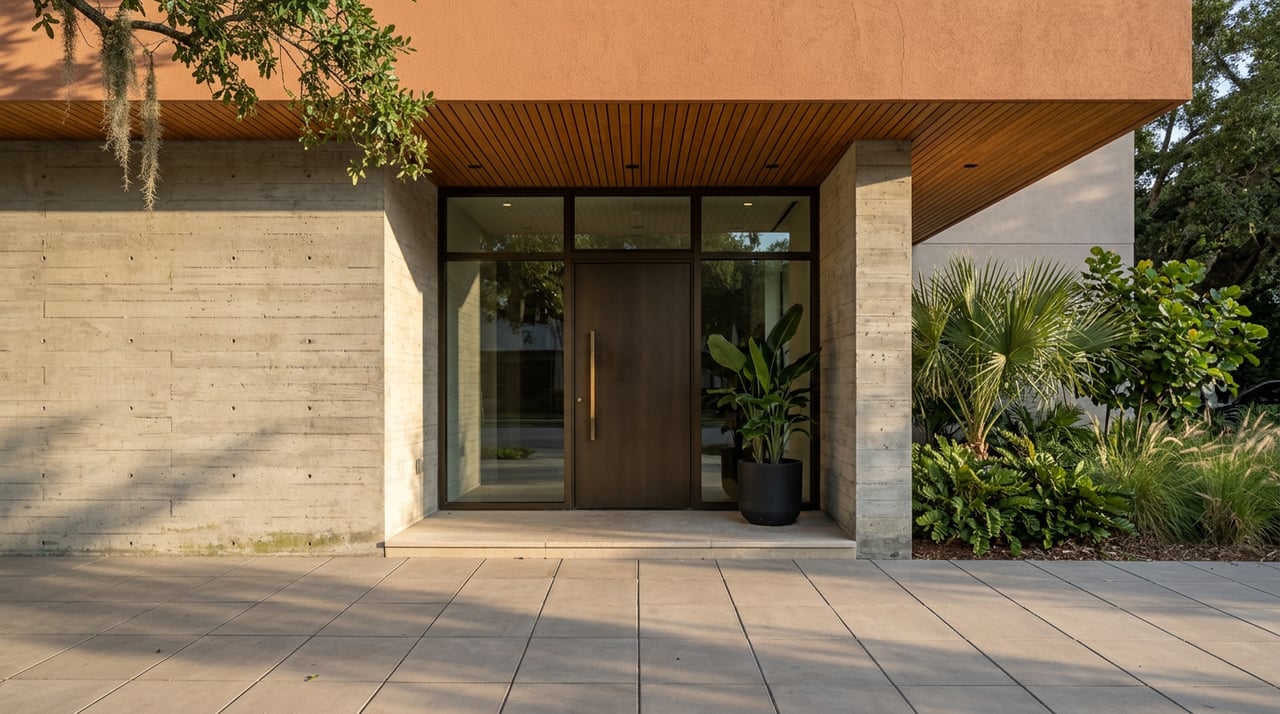
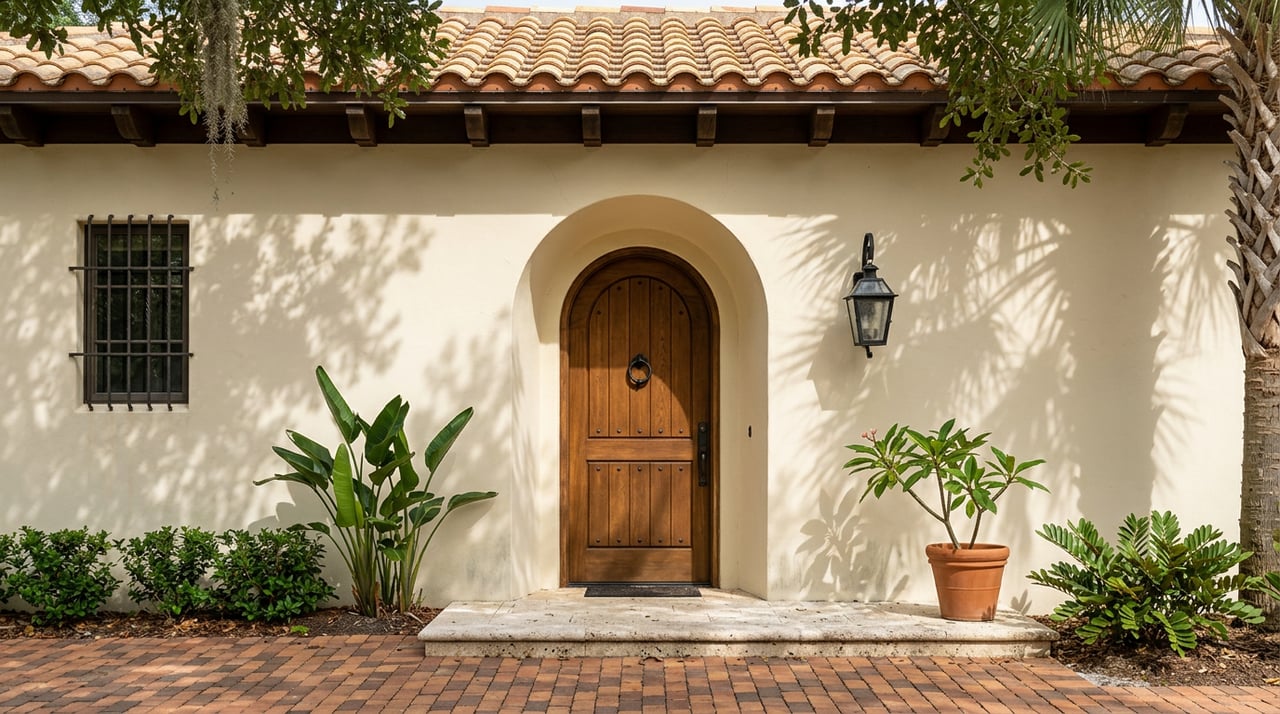
The housing stock is also part of the appeal. The area has roughly 500 homes, mostly single-family residences, and many date to the early 20th century. In a neighborhood like this, it is common to see restored homes, renovated properties, and some lots with guest houses or garage apartments behind the main home.
For an out-of-state buyer, that mix creates both opportunity and complexity. Two homes on nearby streets can have very different renovation quality, permit history, and flood or storm-surge exposure. That is why choosing Old Southeast confidently starts with understanding the neighborhood beyond the listing description.
What the Neighborhood Feels Like
Old Southeast is often considered a close-to-downtown neighborhood, but it has its own identity. According to OSNA, you can reach downtown St. Petersburg in less than a 20-minute walk by way of Salt Creek, Bayboro Harbor Marina, and the USF St. Petersburg campus.
That matters if you are comparing lifestyle options from afar. Instead of thinking only in driving distance, you can think in terms of day-to-day use. If your goal is access to downtown amenities while still considering a neighborhood with a mix of older and newer homes, Old Southeast may stand out for that reason.
Logistics also matter when you are buying remotely. The neighborhood is in Police District 1 and is served by St. Pete Fire Rescue Station 8, which can be useful context as you evaluate service access and day-to-day practicalities.
Why Online Value Estimates Are Not Enough
One of the biggest mistakes out-of-state buyers make is treating one portal’s number like a final answer. In Old Southeast, current public market snapshots vary quite a bit. Realtor.com reports a median listing price of $765,000, 11 active listings, a 98% sale-to-list ratio, and a 72-day median time on market, while Redfin reports homes selling in about 9 days and Zillow reports an average home value of $572,136, down 2.1% year over year.
Those numbers are not necessarily wrong, but they measure different things over different time frames. That means they are helpful as directional inputs, not decision-grade valuation tools. If you are choosing between homes remotely, relying on just one figure can distort what a property is actually worth.
This is where appraisal-style discipline becomes important. Instead of asking, “What does the portal say?” a better question is, “What do the most comparable sales, parcel records, tax history, and condition differences show?” That approach gives you a much stronger basis for an offer.
How to Compare Old Southeast Homes Remotely
When you cannot tour ten homes in one weekend, your comparison process has to be tighter. Pinellas County’s assessment guidance notes that an independent appraiser typically compares three to six sales to the subject property. That is a useful framework for remote buyers as well.
Start with homes that are truly similar, not just nearby. In Old Southeast, age, lot size, renovation level, and accessory structures can all affect value. A fully renovated historic home should not be compared casually to a lightly updated property just because both are in the same neighborhood.
A practical remote-buyer comparison file should include:
- Official county parcel record
- Property appraiser quick-search information
- Tax-estimator data for ownership planning
- Recent sold comps with similar age, lot size, and condition
- Notes on updates, deferred maintenance, and permit history
- Photos or video that show the home beyond staged listing angles
This is especially important in a neighborhood with older housing stock. Character can be a real advantage, but older homes often require more careful review of updates, systems, and prior work.
Check Flood Risk by Address, Not Assumption
Flood due diligence is one of the most important steps for any Pinellas County purchase, especially when you are buying from out of state. Pinellas County says everyone lives in a flood zone, with risk that can be high, moderate, or low. The county advises buyers to look up the specific address in the Flood Map Service Center to determine whether it falls in a high-, moderate-, or low-risk zone or a floodway.
That means you should not assume the whole neighborhood carries the same risk profile. Two homes in Old Southeast may have different flood designations depending on the exact parcel. If you are comparing several properties, address-level verification should be part of your early screening, not something saved for the end.
Evacuation risk should be checked separately as well. Pinellas County says evacuation zones are based on storm-surge risk, and that information appears on utility bills and TRIM notices. For a remote buyer, this is a reminder to verify the actual property rather than rely on general neighborhood talk.
Build a Realistic Tax Picture
Taxes can look different than you expect, especially if you are relocating or buying a second home. Pinellas County says property is valued annually as of January 1, and taxes are driven by value, millage, taxing authorities, and exemptions.
That matters because online tax figures may reflect the current owner’s exemptions or prior assessed value, not your future tax bill. If you are modeling monthly ownership costs, it is smart to use the county’s tax-estimator tools and current parcel data instead of copying the listing sheet into your budget.
The homestead exemption is another area where buyers sometimes overestimate savings. Pinellas County states that homestead is limited to bona fide Florida residents who live in the dwelling and make it their permanent home on January 1. If you are buying a second home or have not yet established Florida residency, do not build your budget around homestead savings unless you expect to qualify.
Verify Permits Before You Fall in Love
In a neighborhood known for older homes and renovations, permit research matters. St. Petersburg’s permit rules require permits for work that constructs, enlarges, alters, repairs, moves, demolishes, or changes occupancy.
For an out-of-state buyer, permit history is not just a paperwork issue. It can affect value, future project planning, insurance conversations, and your repair budget after closing. If a home has visible updates, an added living area, or a guest house or garage apartment, permit verification should be part of your due diligence.
This is especially true if you plan to authorize work from afar after inspection. In that case, permit status and city requirements should be part of your deal math before closing, not an afterthought once you own the property.
Plan the Inspection Window Carefully
Florida contract timing matters more when you are remote. Florida Realtors notes that residential contracts include inspection language, and the AS IS contract gives the buyer a strong right of cancellation during the inspection period. It also notes that FR/Bar contract time periods are counted in calendar days, with weekend and holiday deadlines pushed to the next calendar day that is not a weekend or holiday.
The takeaway is simple: know your timeline before you sign. If you are out of state, you need your inspection appointment, report timing, video review, and decision deadline mapped in advance. That reduces the chance of losing time while trying to coordinate vendors and travel.
Florida Realtors also says buyers should be active participants in the inspection process, review a sample report, and confirm they can attend, while noting that a general inspection is sometimes not enough and specialty inspections may be needed. When you cannot attend in person, the next best approach is a live video walkthrough, a written defect summary, and a same-day debrief so you can make repair, credit, or termination decisions while your contingency is still open.
Vet Contractors and Inspectors the Right Way
If post-inspection work comes up, vendor coordination should follow Florida’s licensing system. The Florida Department of Business and Professional Regulation says a license can be verified by searching its database, and its portal includes tools for verifying licensees and checking unlicensed activity.
A practical rule for remote buyers is to confirm two things before approving work. First, verify that the inspector or contractor is properly licensed through the state system. Second, confirm whether the proposed work also requires a city permit under St. Petersburg rules.
That extra step can help you avoid delays and surprises. It also gives you a cleaner process if you are trying to manage repairs, credits, or future projects from another state.
A Smarter Way to Choose Old Southeast
If you are serious about Old Southeast, the goal is not just to find a home that looks appealing online. The goal is to choose a property whose value, condition, tax picture, flood profile, and permit history all make sense together.
That is where local guidance makes the difference. In a neighborhood with historic charm, mixed renovation quality, and inconsistent portal data, the buyers who do best are usually the ones who use a more disciplined process. They compare like with like, verify official records early, and make decisions based on specifics instead of assumptions.
For out-of-state buyers, confidence comes from clarity. When you understand how to evaluate Old Southeast address by address, you can move faster when the right home appears and avoid overpaying for one that only looks right on a screen.
If you want a practical, valuation-driven view of Old Southeast from someone who knows St. Petersburg block by block, Marsh Bilby can help you compare homes, assess risks, and buy with more confidence from wherever you are.
FAQs
How can out-of-state buyers evaluate home values in Old Southeast?
- Start with official Pinellas County parcel records, property appraiser data, tax-estimator information, and three to six truly comparable sold homes with similar age, lot size, and renovation level.
How should out-of-state buyers check flood risk in Old Southeast?
- Verify the exact property address through the official Flood Map Service Center and confirm the evacuation zone separately, since risk can vary by parcel.
What should remote buyers know about taxes in Old Southeast?
- Your future taxes may differ from the current owner’s bill because taxes depend on assessed value, millage, taxing authorities, and exemptions, and homestead savings only apply if you qualify.
Why do online estimates differ for Old Southeast homes?
- Public portals track different data sets and time periods, so their estimates should be treated as rough indicators and checked against sold comps, tax records, and property condition.
What permit issues should buyers review in Old Southeast?
- Buyers should verify whether prior renovations, repairs, added living areas, or accessory structures were permitted, because St. Petersburg requires permits for many types of work.
How can remote buyers handle inspections in Old Southeast?
- A strong approach is to schedule the inspection early, attend by live video if possible, get a same-day debrief, and make sure any specialty inspections are ordered before the inspection period ends.