Wondering why one Old Southeast bungalow sells in the $500,000s while another pushes toward seven figures or more? In this part of St. Petersburg, age alone does not tell you much about value. If you own, plan to buy, or simply follow the neighborhood, it helps to understand what buyers and appraisers actually look at in today’s market. Let’s dive in.
Old Southeast Has a Real Price Premium
Old Southeast does not trade like a generic older-home neighborhood. It sits just south of downtown St. Petersburg along Tampa Bay, and the area is known for its early 20th-century through 1950s homes, walkable streets, original brick paving, hexagon-block sidewalks, and the bayfront edge at Lassing Park.
That setting matters because buyers are not just paying for square footage. They are also responding to location, streetscape, character, and access to the waterfront environment that gives the neighborhood its identity.
As of May 2026, Redfin reported a median sale price in Old Southeast of $799,731 and a median of $428 per square foot. By comparison, St. Petersburg overall was at $477,714 and $330 per square foot, while the Tampa-St. Petersburg-Clearwater metro median sale price was $297,000 in February 2026.
In simple terms, Old Southeast is commanding a strong premium. That tells you the market is not discounting these homes just because many are older.
Age Starts the Conversation
When people talk about bungalows, they often focus on the year built. That matters, but it is only the starting point.
Pinellas County reassesses property values annually using local sales, economic trends, building permits, and property characteristics. For an older bungalow, that means the market looks beyond the birth date of the house and asks a more practical question: how well does it compete today?
A 1920s bungalow that has been thoroughly updated can compete very differently from a 1920s bungalow that still has aging systems and deferred maintenance. Two homes can share a similar style and age but land far apart in price because buyers are valuing condition and function, not nostalgia alone.
Effective Age Drives Value
One of the most important ideas in bungalow valuation is effective age. That is the home’s condition relative to similar competing homes, not just the year it was built.
If an older home has updated major systems, solid structural condition, and modern livability, its effective age may feel much younger than its actual age. If it shows wear, unresolved repairs, or physical deterioration, its effective age may work against it.
That is why old houses in the same neighborhood can produce very different value results. Buyers and appraisers are looking at how the home performs in the current market, not simply how long it has been standing.
Renovation Quality Matters Most
In today’s market, the biggest value swings often come from the quality of renovations and core systems. In an older home, buyers and appraisers pay close attention to roofs, windows, HVAC, plumbing, structure, and signs of water damage or settlement.
A good renovation does more than make a home look fresh. It reduces uncertainty for buyers, helps the house compete with newer options, and can support stronger pricing when the work is thorough and well-maintained.
On the other hand, cosmetic updates alone may not carry the same weight if the important systems still raise questions. A beautiful kitchen does not erase an aging roof or signs of structural issues.
What buyers notice quickly
- Roof condition and age
- HVAC performance and replacement history
- Plumbing and electrical updates
- Window quality and weather protection
- Signs of moisture intrusion or settlement
- Overall maintenance consistency
In a bungalow, the market usually rewards homes that keep their character while functioning like modern houses.
Character Still Adds Value
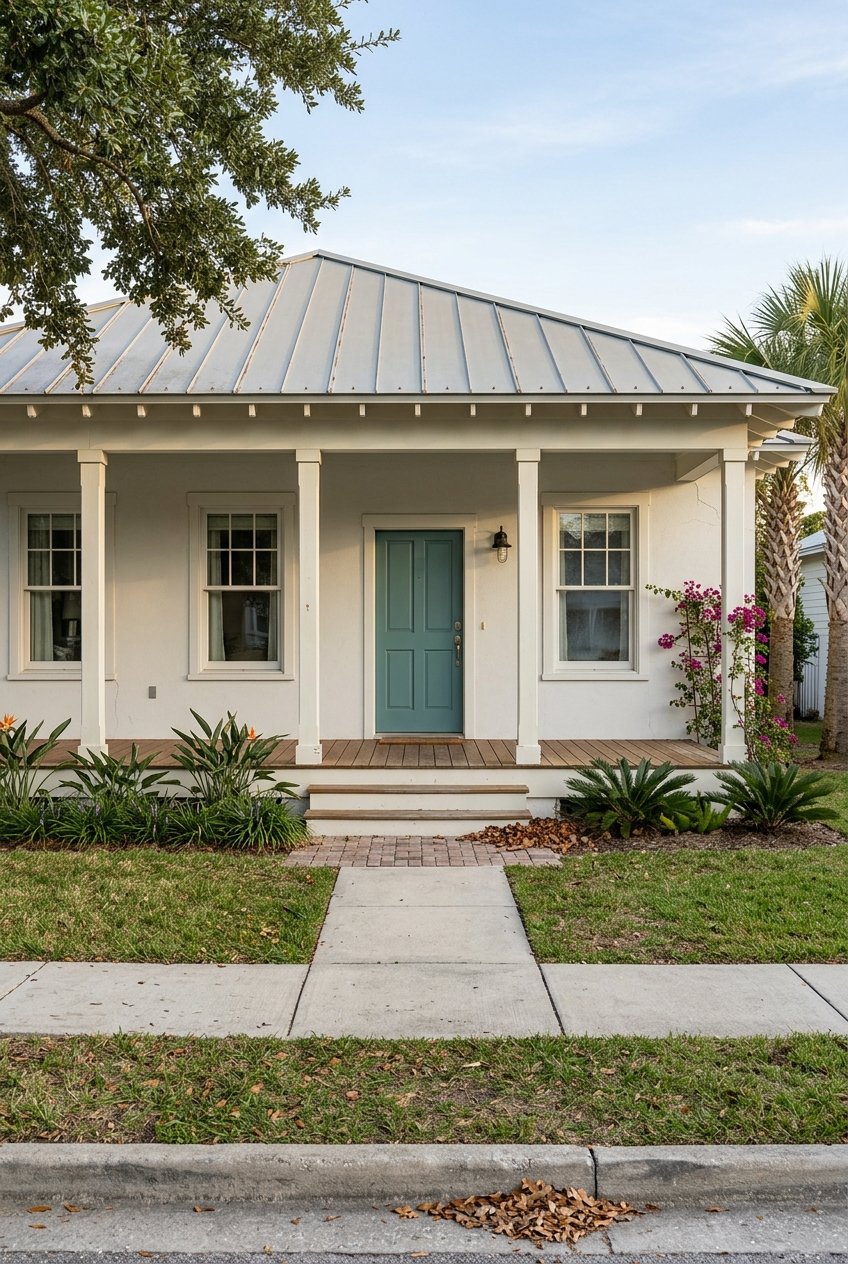
Original details are part of what makes Old Southeast different. Preserved curb appeal, bungalow architecture, mature landscaping, and the neighborhood’s historic feel all help shape buyer demand.
That character can support value, especially when it is paired with strong upkeep. St. Petersburg historic-preservation research found that residential property values in local historic districts outperformed the rest of the city on value recovery after the 2008 downturn.
The key point is that preserved character does not automatically hold a home back. In many cases, it supports pricing when buyers can enjoy the charm without inheriting a long repair list.
Site Advantages Can Outweigh Age
In Old Southeast, lot utility and outdoor space can matter as much as the house itself. Proximity to Tampa Bay, access near Lassing Park, usable yards, larger lots, and waterfront-related advantages can all influence what buyers are willing to pay.
Current listings and recent sales show that homes with water access, new seawalls, or larger buildable lots can command meaningful premiums. In a neighborhood of bungalows, the site is often a major part of the value story.
This is one reason price per square foot can be misleading here. Two homes with similar interior size may trade very differently if one has a more useful lot, better outdoor space, or stronger bay adjacency.
Extra Space Broadens Demand
Another feature that can affect value is secondary space. Old Southeast has a history of guest houses and garage apartments behind homes, and current inventory includes examples of detached studio space and duplex-style opportunities.
Flexible extra space can widen the buyer pool. Some buyers want room for guests, a home office, hobby space, or an income-producing setup, and that added utility can help support a higher price.
Of course, not all extra structures contribute equally. Condition, functionality, and how the market responds to that space all matter.
Flood Risk Is Part of the Math
Bay proximity adds appeal, but it also adds an important layer of risk analysis. Pinellas County states that everyone in the county is in a flood zone, with A, AE, and V zones carrying special flood-hazard implications.
That matters because standard homeowners insurance does not cover flood damage. For buyers comparing similar homes, flood exposure and the likely cost of flood insurance can influence willingness to pay.
This does not mean flood-zone homes cannot command strong prices. It means value in Old Southeast is often a balance between lifestyle appeal and flood-aware ownership costs.
Today’s Numbers Show a Wide Range
One of the clearest signs of how bungalow value works in Old Southeast is the spread between properties. Recent sales and active inventory show a very wide range based on condition, lot utility, and site advantages.
Examples from current market data include a sale on Beach Drive SE at $595,000 for 1,511 square feet, a sale on 4th Street S at $715,000 for 2,280 square feet, and a sale on 23rd Avenue SE at $1.765 million for 3,587 square feet. Active inventory has included a fully renovated non-flood-zone home at $375,000, a renovated duplex at $535,000, and a waterfront-access property with a new seawall at $974,900.
That spread tells you something important. In Old Southeast, homes are not being valued as old houses first. They are being valued as character properties with very different levels of renovation, livability, risk, and site appeal.
What This Means if You’re Selling
If you own a bungalow in Old Southeast, pricing should be grounded in how your home competes right now. The strongest strategy is usually not to lean only on charm or only on square footage.
Instead, focus on the factors that buyers and appraisers use to separate one bungalow from another. That includes condition, effective age, renovation quality, lot utility, flood-related considerations, and any secondary living space.
A practical seller review often starts with questions like these:
- Have the major systems been updated?
- Is there deferred maintenance that will affect buyer confidence?
- Do original details add appeal without creating repair concerns?
- Does the lot offer outdoor utility or water-related advantages?
- Is the home in a flood zone that changes ownership costs?
- Are there permits or improvements that help tell the value story?
In a neighborhood with a wide pricing band, accurate comp selection matters. The wrong comparison set can lead to overpricing, missed buyers, or trouble later when a buyer’s appraisal is completed.
What This Means if You’re Buying
If you are buying in Old Southeast, it helps to look past the romance of a charming exterior. A bungalow can feel special on day one and still carry real cost differences depending on systems, condition, and site risk.
Try to weigh the home in layers. Start with location and lot, then study the quality of renovation, then evaluate flood exposure and the likely cost of ownership.
That process gives you a clearer picture of whether a price is justified. It also helps you avoid treating all historic-looking homes as if they should command the same value.
Why Precision Matters in Old Southeast
Old Southeast rewards careful valuation. The neighborhood has real demand, a strong identity, and a price premium, but it also has more moving parts than many buyers and sellers expect.
That is why appraisal-level analysis can make such a difference here. In a bungalow market, small differences in condition, improvements, flood exposure, or lot utility can create big differences in price.
If you want to understand what your Old Southeast bungalow is really worth, or what a target property should be worth before you write an offer, Marsh Bilby can help you make that decision with local insight and valuation discipline.
FAQs
How are Old Southeast bungalows valued in today’s market?
- They are usually valued based on effective age, renovation quality, condition, lot utility, flood-related risk, and neighborhood appeal, not just the year built.
Why do Old Southeast homes sell for more than many other St. Petersburg homes?
- Old Southeast has a strong neighborhood premium tied to its location near downtown and Tampa Bay, preserved character, walkability, and buyer demand for its distinct housing stock.
Does renovating an old bungalow increase value in Old Southeast?
- Renovation can support value when it improves major systems, livability, and condition, especially in areas like roofing, HVAC, plumbing, windows, and structural upkeep.
Do original bungalow details help a home’s value in Old Southeast?
- Yes, preserved character can support value when buyers get the charm they want without taking on major deferred maintenance.
How does flood risk affect Old Southeast home prices?
- Flood risk can influence buyer demand and ownership costs because flood insurance is separate from standard homeowners coverage, so buyers often weigh bay proximity against risk and cost.
Why is price per square foot less useful for Old Southeast bungalows?
- Price per square foot can miss important differences in lot size, outdoor utility, water access, secondary structures, and renovation quality that often drive value in this neighborhood.