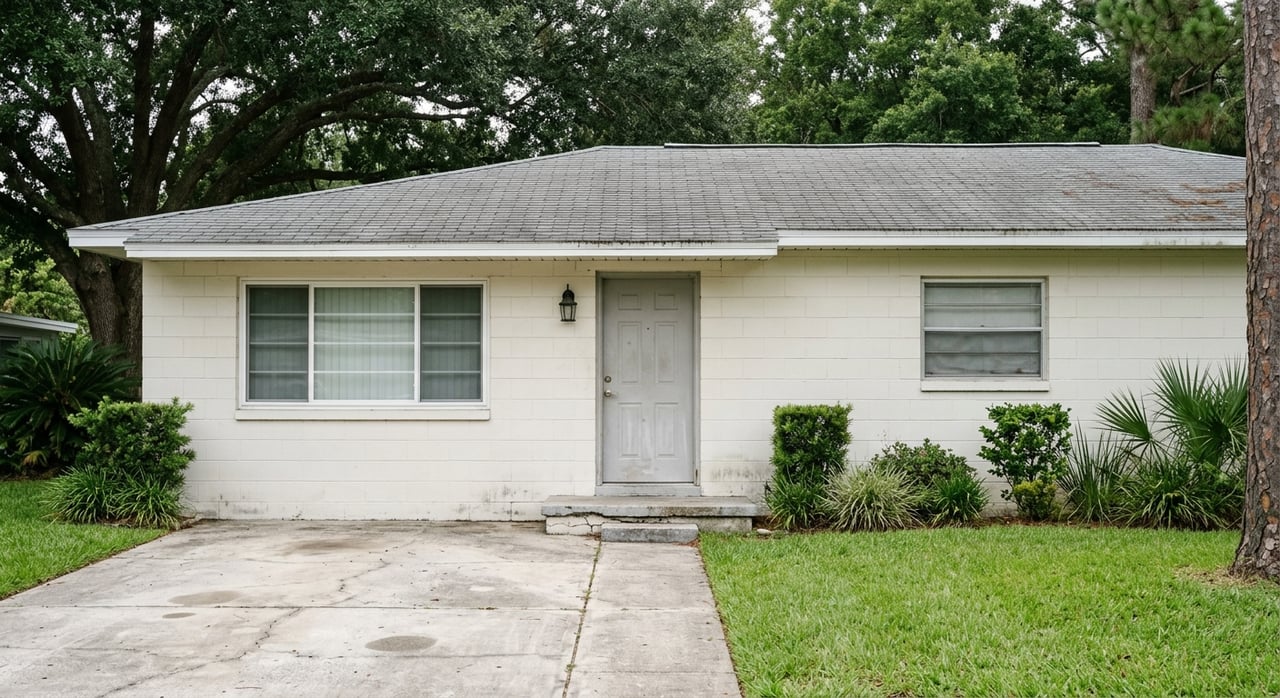
If you are sizing up a value-add deal in Crescent Heights, the biggest mistake is assuming a quick neighborhood average will tell you what the property is worth. It usually will not. This part of Crestview is thinly traded, mixed in product type, and wide in price outcomes, so you need a more careful, comp-driven approach. In this guide, you will learn how to evaluate ARV, rehab scope, and risk with a more appraiser-minded lens. Let’s dive in.
Why Crescent Heights Needs Careful Analysis
Crescent Heights is not a cookie-cutter neighborhood with one easy price point. Public records and listing data show a mix of detached single-family homes and attached properties, including duplex-style units. That matters because your subject property should be compared to similar product, not just anything with a Crescent Heights address.
The area is also thinly traded. Realtor.com currently shows only one active listing and one rental in the neighborhood, and it does not publish a neighborhood median home price for Crescent Heights. When listing volume is that light, property-level comp selection matters much more than broad averages.
At the broader zip code level, 32539 shows a median listing price of $312,750, a list price per square foot of $179, 442 homes for sale, and a median 61 days on market. Crestview-wide portal snapshots are close, but not identical, with reported median listing prices around $295,000 to $300,000 and days on market around 70 to 72. The takeaway is simple: use portal numbers as general context, not as your final value conclusion.
Start With Product Type
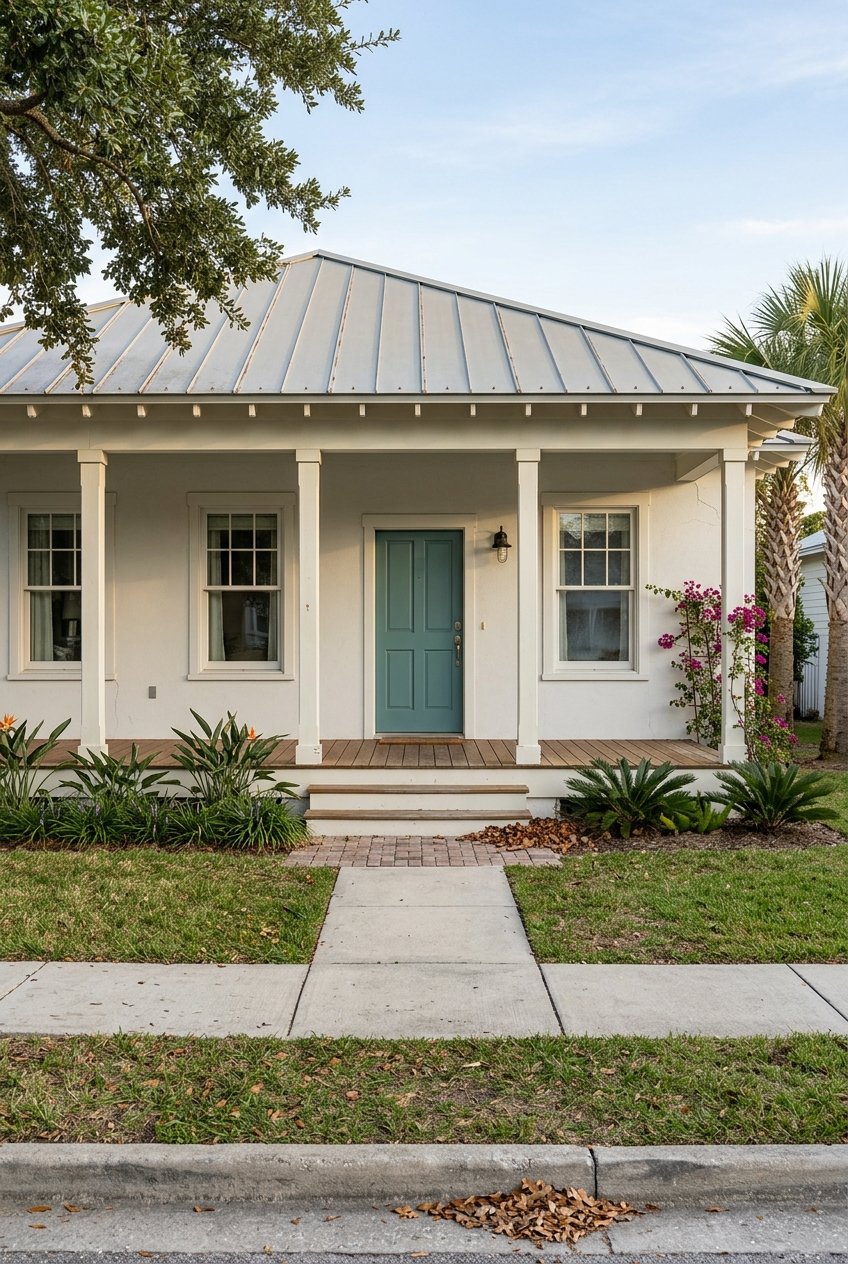
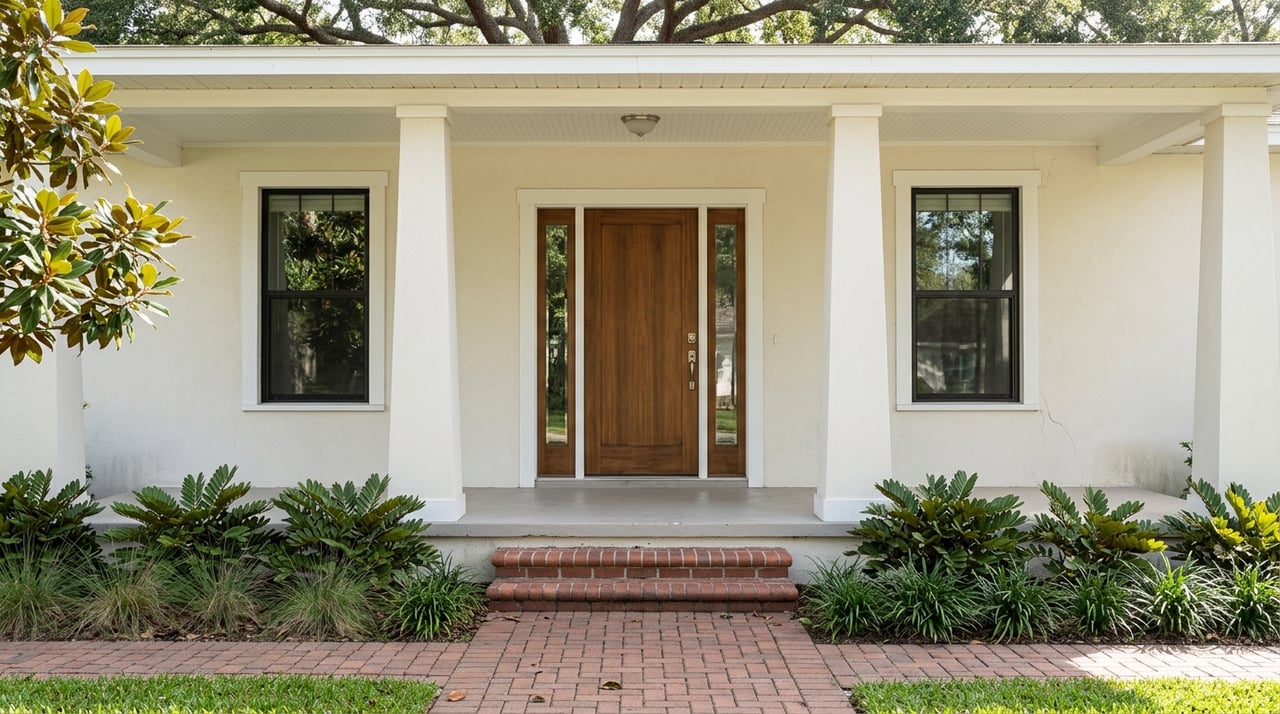
Before you estimate upside, identify exactly what you are buying. Crescent Heights includes detached homes like 512 Stillwell, 516 Stillwell, 2909 Crescent, and 2921 Patch. It also includes attached product like 2912 Crescent Ave Unit B, which public records describe as a duplex/triplex-type property, and 689 Valley Rd, which has been classified as an attached duplex-style unit.
That mix changes everything about your comp set. A detached 3-bedroom house should not be valued like an attached duplex unit just because both sit in the same neighborhood. If your exit strategy is resale, your likely buyer pool and pricing benchmarks depend heavily on matching the finished product type correctly.
Use an Appraiser-Style Comp Set
In Crescent Heights, a tight comp set is more useful than a broad one. You want nearby sales that match the subject in product type, size range, age, condition, and utility. That is especially important here because the sales evidence shows a wide spread in price per square foot.
Here are a few useful anchors from nearby sales:
- 2922 Patch Ave sold in July 2022 for $285,000
- 3 bed, 2 bath, 1,486 square feet
- Built in 2015
- About $191.79 per square foot
- 516 Stillwell Blvd sold in October 2022 for $199,900
- 3 bed, 1.5 bath, 1,054 square feet
- Built in 1976
- About $189.66 per square foot
- 512 Stillwell Blvd sold in April 2019 for $124,900
- 3 bed, 2.5 bath, 1,020 square feet
- Built in 1977
- About $122.45 per square foot
- 689 Valley Rd Unit 687-689 sold in August 2022 for $320,000
- Attached duplex-style unit, 2,334 square feet
- About $137.10 per square foot
These sales show why broad averages can mislead you. The higher-quality detached single-family sales cluster around the high-$100s per square foot, while older, less competitive, or attached examples can trade much lower.
What the Sales Suggest About ARV
A realistic ARV in Crescent Heights depends on whether your finished product truly competes with the stronger sales. The 2922 Patch sale supports a higher value range because it reflects newer construction, stronger finishes, and more modern utility. By contrast, older homes can sit much lower if they still feel dated or functionally inferior.
That means you should not underwrite a light cosmetic flip as if it will automatically land in the same value cluster as a more modern or better-updated home. Paint and flooring help, but they do not erase age, layout issues, or limited bath count. In this neighborhood, that distinction matters.
A practical way to think about it is this:
- Cosmetic refresh often helps a property compete better within its current bracket.
- Functional improvement is more likely to move a property toward a stronger bracket.
- Mismatched comp selection is where many value-add buyers get into trouble.
Based on the observed sales, a renovated detached home in roughly the 1,000 to 1,500 square foot range should generally be bracketed against the better detached sales from similar eras or superior finish levels, not against a distressed outlier and not against a larger attached duplex. That is not a formula, but it is a sound way to frame your analysis.
Focus on Improvements Buyers Notice
The local sales evidence points to a familiar pattern. Properties with updated kitchens and baths, better flooring and lighting, stronger curb appeal, and features like double-pane windows tend to support stronger pricing. Finished garages and more functional layouts also appear to matter.
That is useful because it helps you separate upgrades that look good from upgrades that actually support value. In many cases, a clean cosmetic refresh can improve marketability. But if the house still suffers from cramped flow, weak storage, or outdated bath utility, the ceiling may remain lower than your spreadsheet hopes.
Cosmetic Work vs Functional Work
Cosmetic improvements include:
- Interior paint
- Flooring
- Fixtures
- Landscaping
- Surface-level kitchen and bath updates
Functional improvements can include:
- Reworking a cramped layout
- Improving bathroom utility or bath count
- Adding meaningful storage
- Improving garage utility
- Addressing window performance or exterior durability
If you are trying to push value meaningfully higher, functional work is usually where the bigger payoff comes from. You still need to stay disciplined, though, because larger scope often means permit review, longer timelines, and more budget risk.
Do Not Ignore Rainfall and Drainage
Crestview’s official city history notes about 65 inches of annual rainfall. That is a big reason water management should be near the top of your due diligence list. In a market like this, roof condition, gutters, grading, drainage paths, and moisture control are not side issues.
A value-add budget that focuses only on finishes can get blindsided fast. If you uncover drainage problems, deferred roof work, or moisture intrusion, your margin can shrink quickly. In other words, the prettiest rehab scope on paper may not be the most important one in real life.
Check Permit and Code Triggers Early
If your plan goes beyond basic cosmetic work, check local permit and zoning requirements before you finalize your numbers. Crestview’s land development code states that development not otherwise exempted requires an administrative permit, and when the Florida Building Code requires a building permit, site development review runs concurrently. Additions, expansions, driveway changes, and parking-use changes can all become more involved than many buyers expect.
This is one of the easiest places to underestimate cost and time. If your value-add plan depends on changing layout, expanding square footage, or altering site use, confirm what the city will require before you underwrite the deal. The tighter your margin, the more important that step becomes.
Build a Smarter Due Diligence Checklist
When you are evaluating a Crescent Heights deal, keep your review process simple and disciplined.
Questions to answer first
- Is the property detached single-family, duplex-style, or another attached form?
- Which recent sales truly match the subject by product type, size, age, and condition?
- Is your ARV based on actual comparable finish quality, or just an optimistic price-per-foot target?
- Will the planned work trigger permit or site review requirements?
- Are there drainage, grading, roof, or moisture issues that could eat your rehab budget?
- Is your likely exit a resale or a rental hold?
That last question matters because the rental picture should be analyzed differently from a resale. Realtor.com shows a median rent of $1,850 per month for 32539, but rent comps still need to be matched by unit type and size. A detached house and an attached duplex unit do not belong in the same rent bucket just because they share a zip code.
A Practical Way to Underwrite the Deal
If you want a cleaner framework, start by sorting the subject into the right bucket. First identify product type, then select the closest matching sales, then decide whether your rehab scope is cosmetic or functional. After that, pressure-test the budget for water-related exterior items and any local permit issues.
From there, ask a harder question: does the finished property truly resemble the higher-value comps, or only partially? If the answer is only partially, your ARV should reflect that. In a mixed, thinly traded neighborhood like Crescent Heights, conservative comp selection is not being pessimistic. It is being realistic.
The Bottom Line on Crescent Heights Value-Add Deals
Crescent Heights can offer opportunity, but it rewards precision more than shortcuts. The neighborhood has mixed housing types, light listing volume, and a wide spread in sale outcomes, so your deal analysis needs to be property-specific. The more closely your subject, your rehab plan, and your comp set line up, the more reliable your numbers will be.
That is where valuation discipline makes a real difference. If you want a grounded second opinion on pricing, condition adjustments, or deal risk, Marsh Bilby brings an appraiser-minded approach to help you make clearer real estate decisions.
FAQs
How do you estimate ARV in Crescent Heights?
- Start with comparable sales that match the property’s product type, size, age, condition, and utility. Because Crescent Heights is thinly traded and mixed in housing type, property-specific comps are more reliable than neighborhood averages.
Are detached homes and duplex-style properties comparable in Crescent Heights?
- Not usually. Public record examples show Crescent Heights includes both detached single-family homes and attached duplex-style properties, so the finished product type should guide your comp selection.
What improvements add the most value in Crescent Heights?
- The local sales evidence suggests updated kitchens and baths, better flooring and lighting, strong exterior presentation, double-pane windows, and more functional layouts tend to support stronger pricing.
Why is drainage such a big issue for Crescent Heights rehabs?
- Crestview’s official city history notes about 65 inches of annual rainfall, which makes roof condition, gutters, grading, and moisture control important parts of due diligence and rehab budgeting.
Do value-add projects in Crestview need permits?
- Many do. Crestview’s land development code indicates that development not otherwise exempted requires an administrative permit, and building-permit work can trigger concurrent site development review, especially for additions, expansions, driveway changes, or parking-use changes.
Should you use zip-code averages to price a Crescent Heights flip?
- Use them only as background context. Because Crescent Heights has limited neighborhood-specific data and mixed property types, a tight appraiser-style comp set is usually more reliable than broad zip-code averages alone.