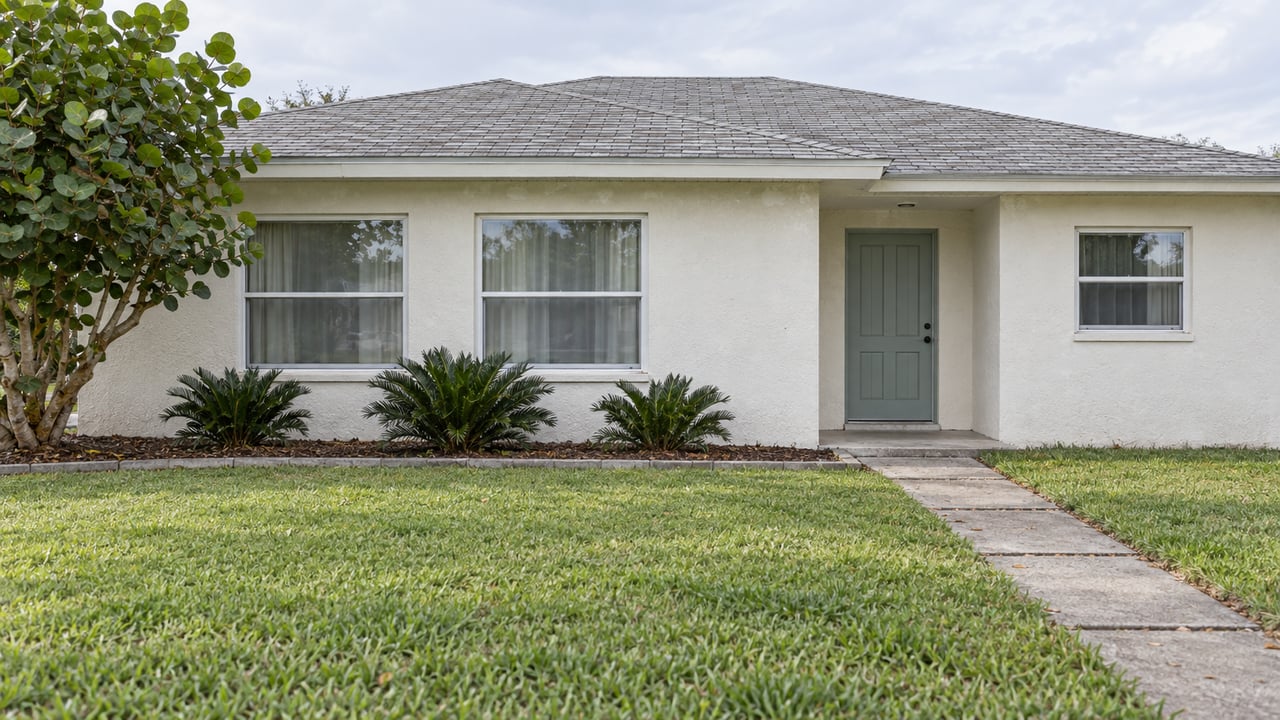
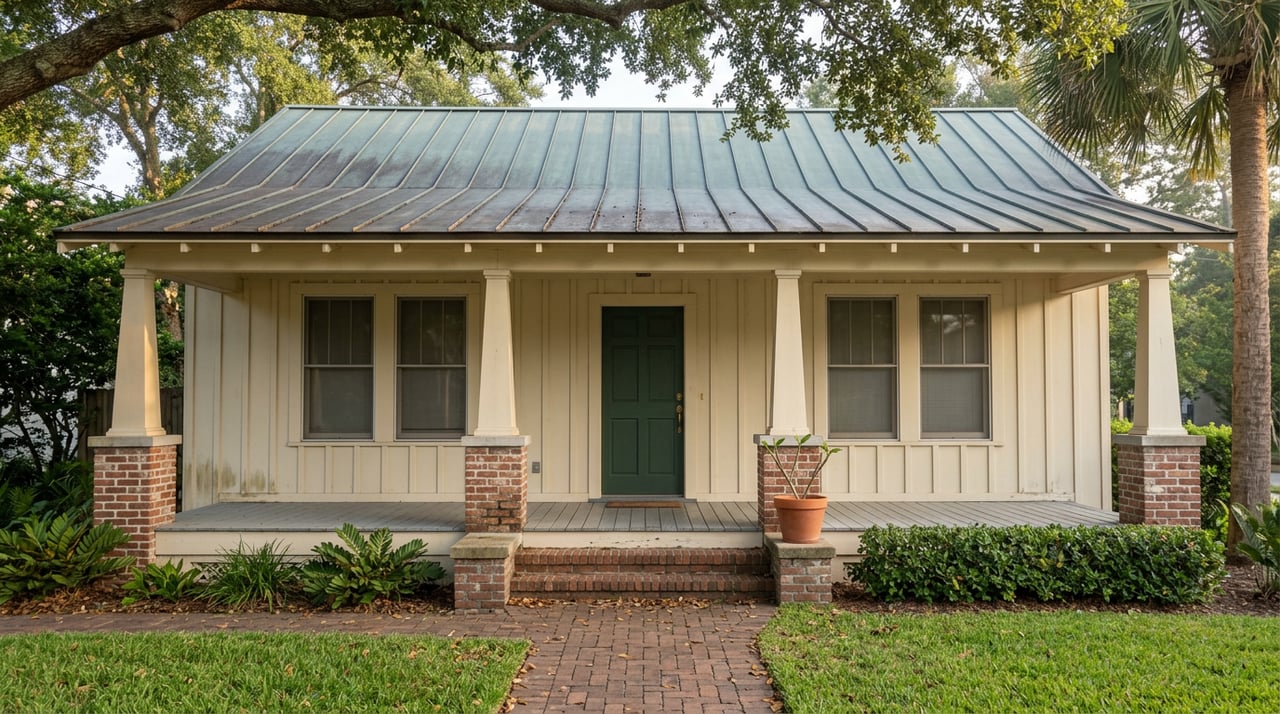
A buyer touring Downtown St. Petersburg this fall can walk into two two-bedroom units, priced within a few thousand dollars of each other, same square footage, same walk to Beach Drive, and come away thinking they've found comparable options. They haven't. The unit itself is only half the purchase. The other half is a document neither listing shows on its face: the building's structural integrity reserve study, and whether that building has already paid its overdue maintenance bill or is about to send it to whoever owns a unit when the vote happens.
That distinction is the real story in Downtown condos right now, and it has nothing to do with finishes or floor plans.
The bill was always there. The law just stopped letting buildings hide it.
Florida's post-Surfside legislation, built around Senate Bill 4-D and refined since through House Bill 913, didn't invent new costs for aging condo towers. It made buildings stop deferring costs that were already sitting on their books. For years, associations kept monthly dues low by voting to waive or underfund reserves for big-ticket items like roofs, load-bearing structure, plumbing, and waterproofing. That workaround is no longer legal for buildings covered by the structural integrity reserve study, or SIRS, requirement. As of January 1, 2026, full reserve funding for those eight mandatory components is required, and associations can no longer vote it down.
The Florida Department of Business and Professional Regulation lists the 2026 reserve component threshold at $25,675, adjusted for inflation each year. Any structural item above that cost has to be counted in the mandatory reserve. That threshold matters more than it looks. It means even a mid-sized capital item like a chiller replacement or a section of parking garage concrete can force a building into full-funding math it wasn't doing five years ago.
The deadline that puts a clock on all of this is December 31, 2026, four months from now, for associations that need both a milestone inspection and a SIRS completed together. That's not a distant compliance date. It's this winter.
What "hidden" costs look like once they're forced into the open
When the first wave of these deadlines hit at the end of 2024, for buildings that had already crossed the 30-year mark, or the 25-year mark for coastal buildings, St. Petersburg's own building department told City Council it was tracking more than 200 local condominium buildings that needed to file Milestone Inspection Reports. As of that summer, only a fraction had actually submitted. The city's building official manager was blunt about why: there are only so many licensed engineering firms doing this specialized work, and Downtown's older stock all needed them at once.
That bottleneck matters for the next cohort of buildings hitting their own 25 or 30-year threshold in 2026. If a Downtown tower's certificate of occupancy puts it at that age this year, its inspection is competing for the same limited pool of engineers that jammed up in 2024. A buyer touring that building in October or November may find the milestone report is filed, in progress, or not yet started, and that status changes what you're actually buying.
Once a reserve study finds a funding gap, the association has to close it somehow: a special assessment, a loan, a line of credit, or some combination. How a board chooses to close that gap changes a buyer's monthly math more than the sticker HOA fee does.
Two real Downtown examples illustrate the split. One Beach Drive building levied a one-time special assessment of $75,000 per unit to repair a pool deck, due in a single payment. Bayfront Tower, the 1975-built waterfront tower on Beach Drive, took a different path for its own capital plan: the association borrowed roughly $10 million and each owner pays a smaller amount folded into their monthly assessment instead of one lump sum.
Same underlying problem, structural repair debt, two completely different cash-flow outcomes for the person who owns the unit. A $75,000 lump-sum bill is a financing event. A financed monthly add-on is a budget line. Neither shows up on a listing sheet, and neither shows up in the price per square foot.
What a building's age actually tells a buyer, and what it doesn't
Downtown's condo stock spans roughly fifty years, from 1970s original waterfront towers to brand-new construction like Kolter Urban's 42-story Art House, which recently completed at 275 1st Avenue South. Buyers and agents working this market tend to read reserve risk along rough generational lines, though every building still needs its own paperwork checked regardless of age.
| Building | Approximate build era | Common read on reserve posture |
|---|---|---|
| Art House | Completed 2026 | New construction, reserve funding not yet tested by time |
| ONE St. Petersburg | Around 2014 | Newer systems, generally steadier reserve narrative |
| ICON Central | Around 2007 | Roof age is a frequent diligence topic |
| Park Tower | Around 2008 | Fee stability tends to track whether reserves are actually funded |
| Bayfront Tower | 1975 | Already financed a major facility plan; smaller ongoing assessment built into dues |
None of this is a substitute for reading the actual documents on a specific building. A newer tower with a poorly funded reserve can be a worse bet than a 1970s tower that already did its capital work. Age is a starting hypothesis, not a verdict.
The documents you're legally entitled to before you write an offer
Florida law gives resale buyers a real right here, not a courtesy. Under the state's condominium disclosure statute, a seller has to provide the declaration, bylaws, the most recent annual budget, the structural integrity reserve study or a written statement that none exists, and the milestone inspection summary if one has been completed. That right exists whether or not the listing agent brings it up first.
Practically, here's the order that protects a buyer:
- Request the association's most recent reserve study and confirm whether it's a full SIRS or an older baseline study.
- Ask directly whether a milestone inspection has been completed, is in progress, or hasn't started, and get the date if one exists.
- Pull board meeting minutes from the last twelve months and look for repeated mentions of a capital project without a stated funding source. That pattern is the clearest early warning of an assessment coming.
- Request a fresh estoppel certificate close to closing. Florida law requires it be delivered within 10 days of a request, and it stays valid for 30 days if delivered electronically or 35 days by mail, so timing it near your closing date matters.
- Confirm whether any pending or recent assessment is being billed as a lump sum or financed into monthly dues, since that changes your actual carrying cost even if the total dollar figure is identical.
None of this requires a lawyer to gather. It requires knowing you're allowed to ask, and asking before you're emotionally attached to a unit.
Why the monthly fee alone is the wrong number to compare
Tampa Bay's condo market gave buyers a real signal already this year. In the year leading into early 2026, HOA fees across the Tampa-St. Petersburg metro rose 17.2 percent year over year, the steepest increase of any major U.S. metro tracked, and the driver wasn't general inflation. It was buildings catching up on reserve funding that used to be optional and no longer is. A building that shows a modest monthly fee today may be mid-catch-up rather than well-managed, and the only way to tell the difference is the reserve study itself, not the number on the HOA line of a listing sheet.
That's the thesis worth carrying into any Downtown condo search this fall: the unit is the easy part to compare. The building's financial position is the part that actually determines what you'll be paying two years from now, and it's the part almost nobody asks about until the estoppel certificate lands on their desk during the closing period, when there's far less room to negotiate.
A few questions worth settling before you tour
Does a low HOA fee mean a good deal? Not on its own. A monthly fee that looks low for a tower with elevators, waterfront insurance exposure, and an aging structure is worth asking about directly, since it can mean reserves are still catching up rather than genuinely well-funded.
What's the actual difference between a milestone inspection and a SIRS? A milestone inspection is a structural safety check performed by a licensed engineer or architect, required once a building hits 30 years of age, or 25 years if it's within three miles of the coast. A SIRS is a separate financial planning document that projects what the association needs to save to maintain those same structural components over time. Buildings often need both, and Florida law lets them be completed together when both are due by the same date.
Can I request these documents before I make an offer, or only after? You can and should ask before writing an offer. The seller's disclosure obligation under Florida condominium law exists specifically so a buyer isn't discovering a pending assessment for the first time at the closing table.
If you're comparing Downtown towers this fall and want a second set of eyes on a reserve study or milestone report before you write an offer, that's exactly the kind of document review Marsh Bilby built his practice around. Nearly three decades as a Certified Residential Appraiser means reading a building's financial paperwork isn't an afterthought, it's the first thing checked. Reach out through his buyer resources or start with a look at the current Downtown neighborhood page, and get a straight answer on what a specific building's numbers actually mean before you're the one holding the estoppel certificate.